BPC-157 has been shown to: Increase fibroblast recruitment Speed up collagen deposition Improve tendon-to-bone interface healing Reinforce ligament remodeling after trauma This makes it highly effective for: Partial tendon tears Post-surgical repair Muscle strains and chronic tendonitis Application of BPC-157 significantly improved fibroblast activity and collagen fiber orientation in Achilles tendon repair models. Chang et al., American Journal of Sports Medicine 3
Novaes R, Freire-de-Lima CG, de Albuquerque RC, Affonso-Mitidieri OR, Espindola O, Lima MA, de Andrada Serpa MJ, Echevarria-Lima J
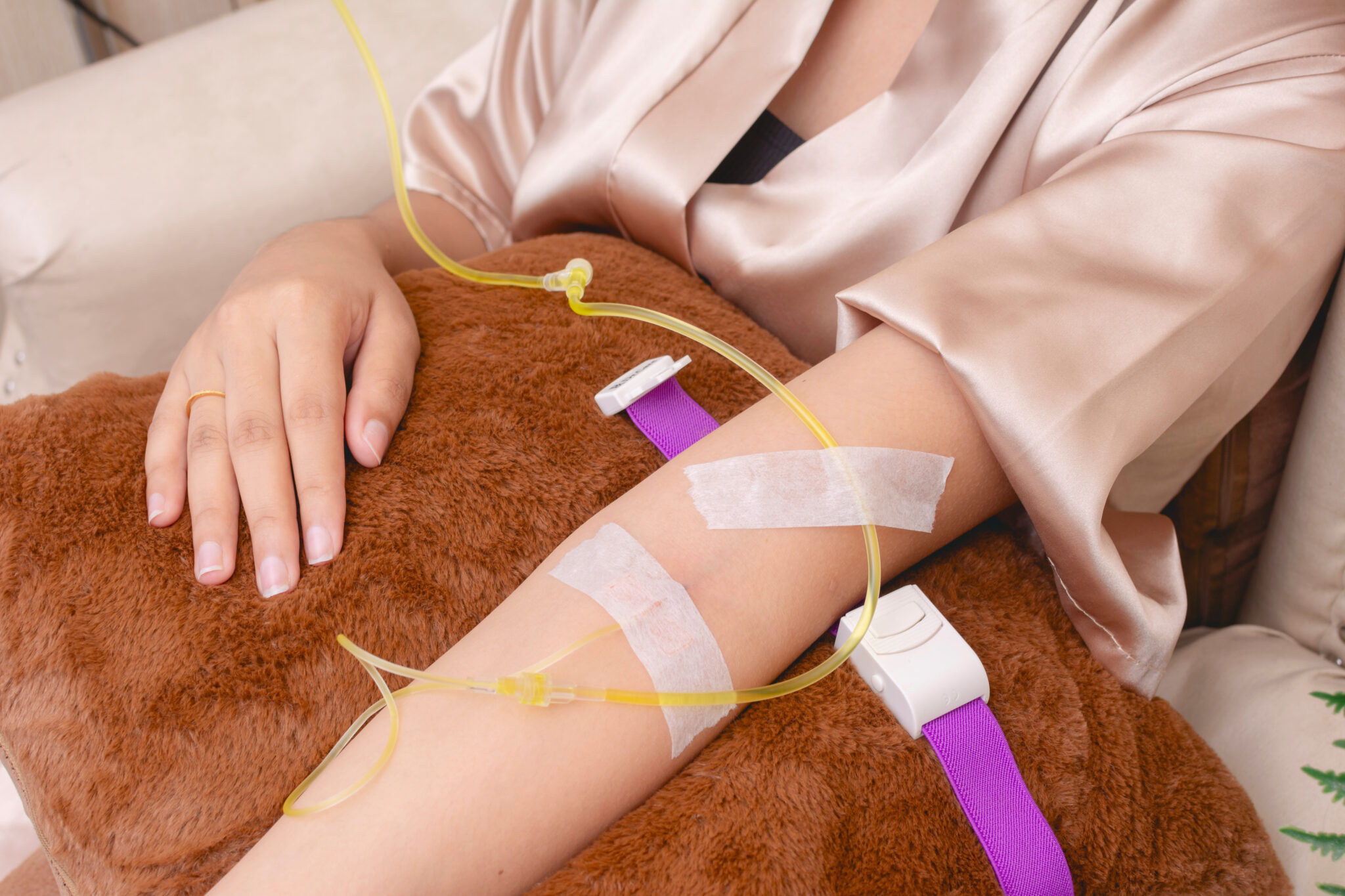
The tubing is attached to a bag of liquid, called the drip, and usually hung above the patients head to insure continuous flow
Long-term potentiation (LTP), which Dihexa enhances, has been shown to stimulate proliferation of progenitor cells in the dentate gyrus and promote survival of newly born neurons, suggesting Dihexa may facilitate neural regeneration through multiple complementary mechanisms
Cardiovascular and Vascular Research Comprehensive Vascular Protection and Repair Research on component peptides examined effects in various cardiovascular scenarios with complementary mechanisms[17]: BPC-157: Improved healing in vascular anastomosis models and arrhythmia protection TB-500: Enhanced angiogenesis and collateral circulation development GHK-Cu: Support for endothelial function and vascular remodeling KPV: Potential to reduce vascular inflammation Combined approach supports vessel repair, new vessel formation, and inflammation control Studies demonstrated cardioprotective effects in ischemia-reperfusion models, with potential synergy between angiogenic promotion and inflammatory modulation