(While not approved in the U.S., thymosin alpha 1 has been approved in numerous other countries, principally as a treatment for hepatitis B and C.) Lees patients responded well to peptides, he said, so I experimented with others. He also began to build a national reputation: Lee is a co-founder of the Clinical Peptide Society, which offers certification classes, and in 2019 he published a book titled The Fountain of Youth With Peptides. At his fee-for-service clinic in Orlando, Lee writes peptide prescriptions for patients who want to use the substances with physician oversight
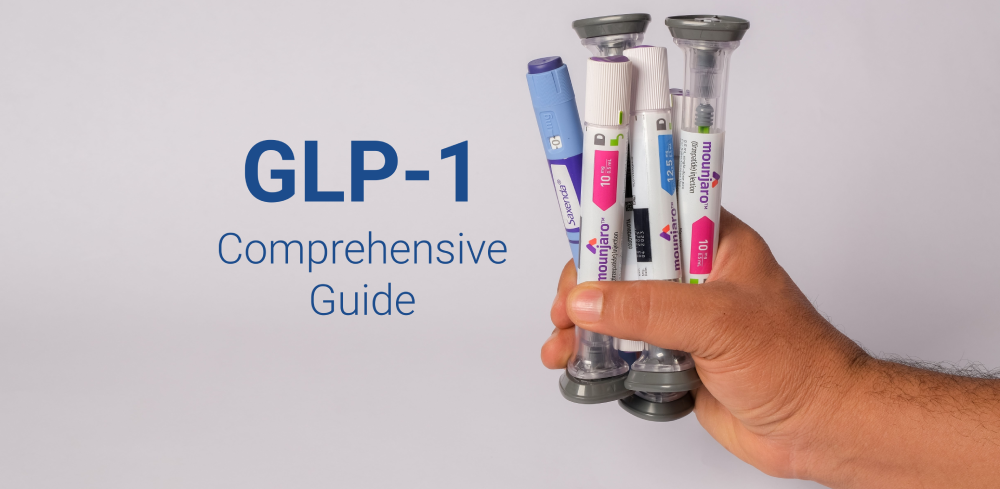
These medications target receptors in the brain specifically in the hypothalamus and hindbrain to curb appetite and reduce constant thoughts about food, often referred to as "food noise." "Lots of people describe it as decreasing food noise, which means how much you think about food and how much you crave different foods." Evan Nadler, MD, MBA, Adjunct Associate Professor, George Washington University Myth 5: GLP-1 Medications Are Only for Type 2 Diabetes Although GLP-1 medications were initially created to manage diabetes, they now have FDA approval for chronic weight management in people without diabetes
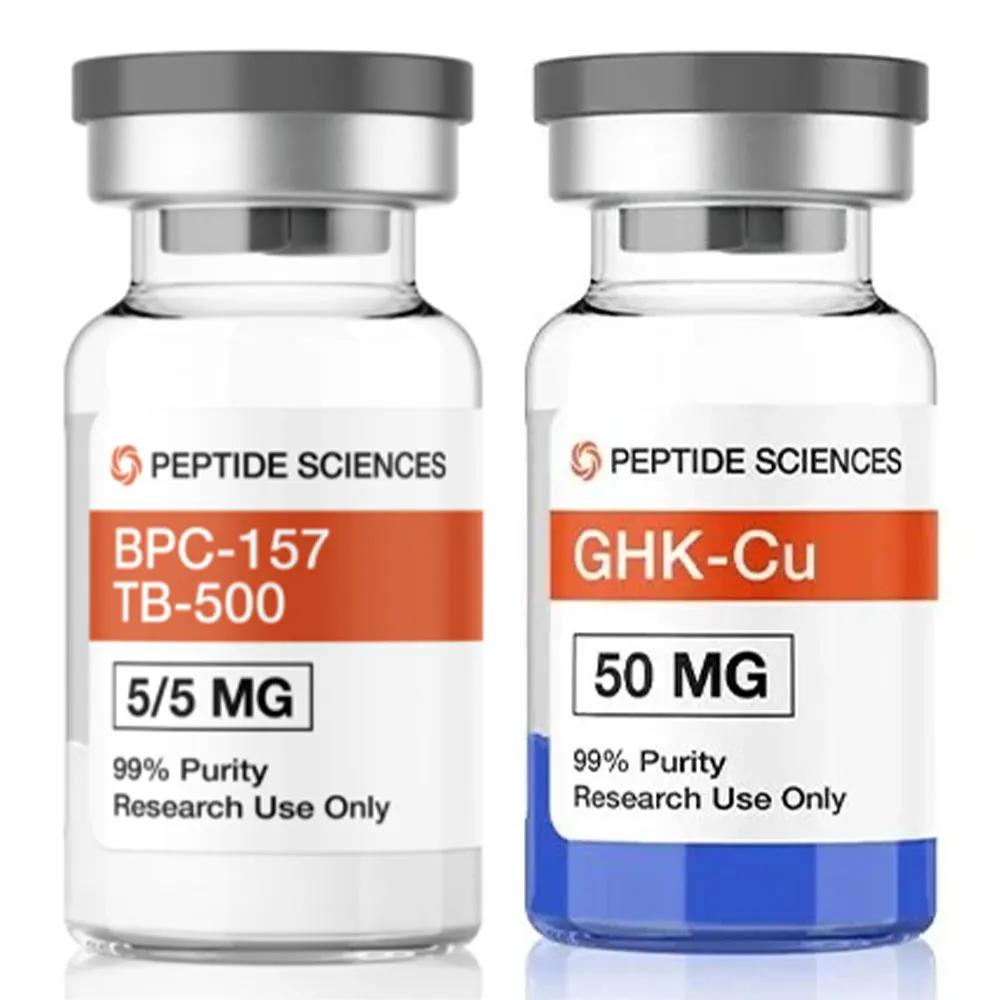
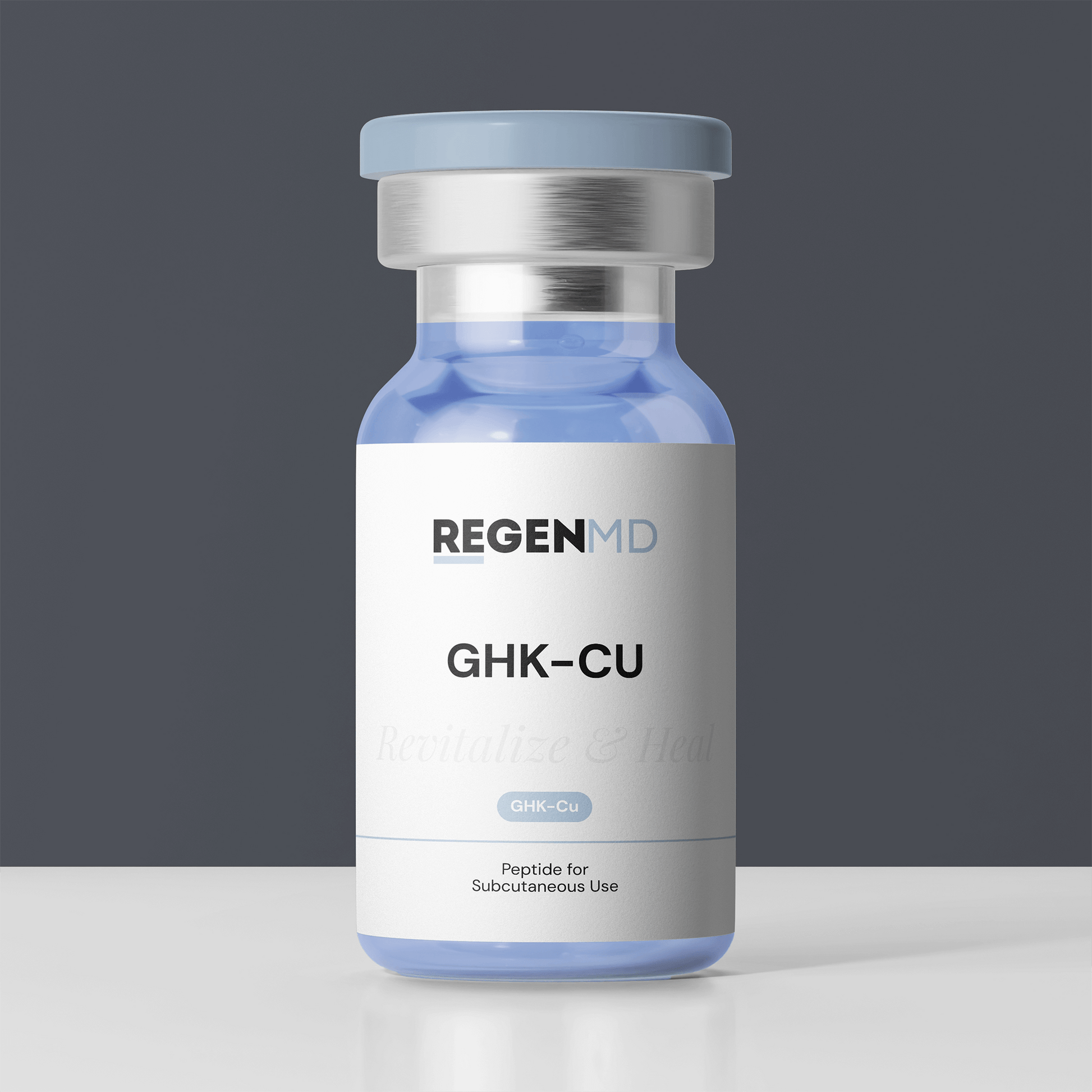
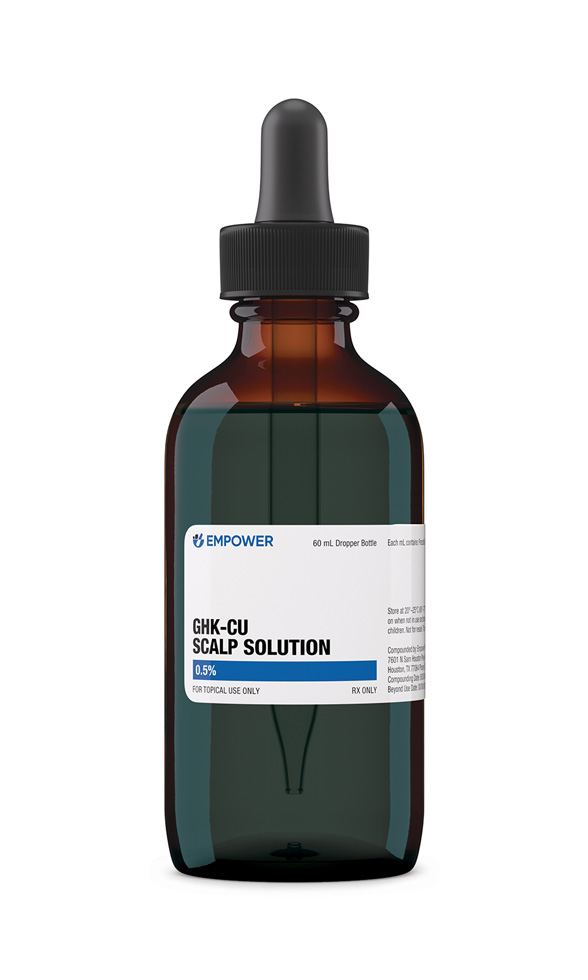
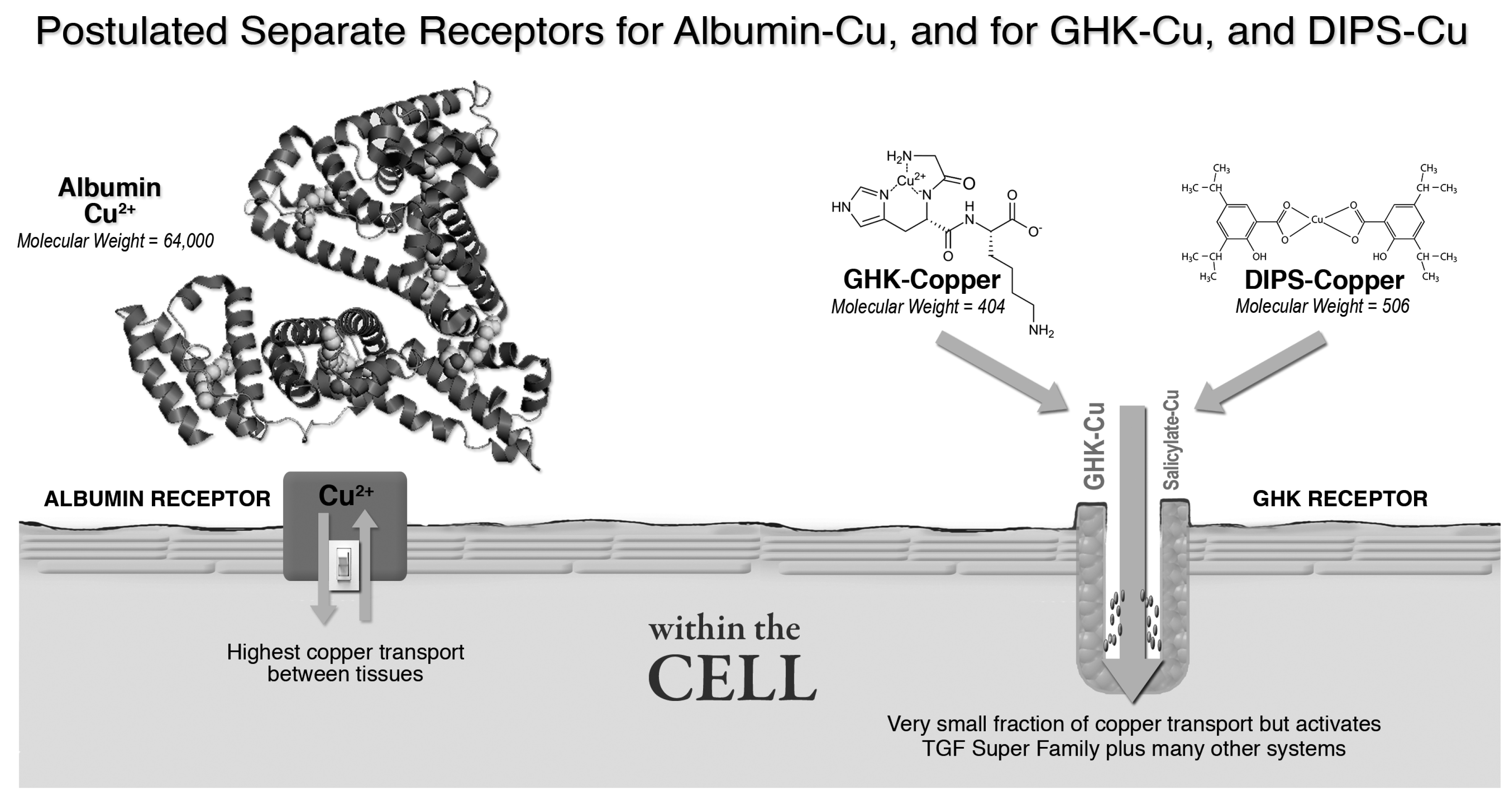
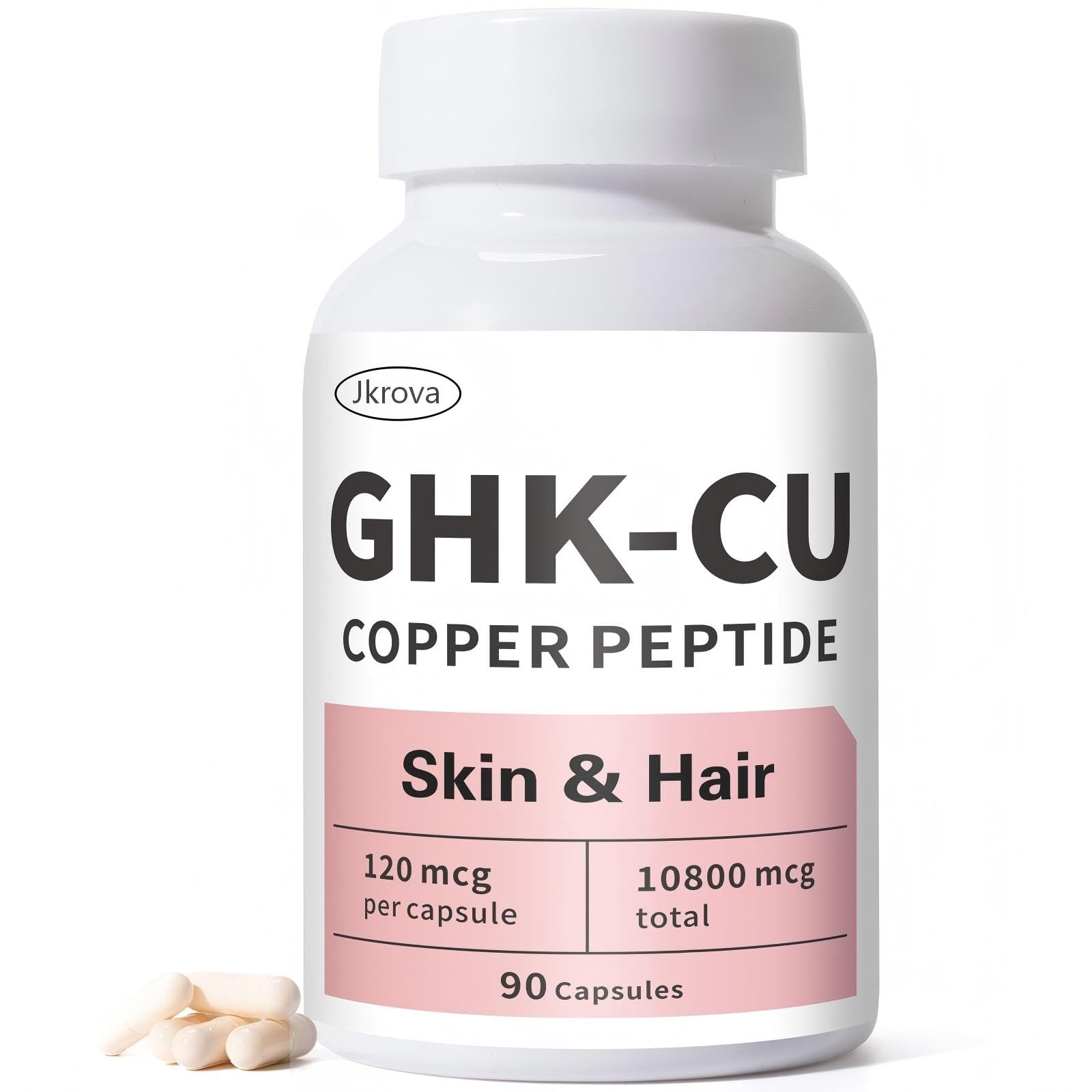
The buy GHK-Cu peptide decision is supported by over five decades of peer-reviewed research demonstrating consistent biological activity across multiple tissue types and research models
Taylor and Francis, London 2001
Understanding which compound fits which research question requires separating the GHRH analogues (sermorelin and CJC-1295) from the growth hormone secretagogues (ipamorelin) and then comparing within each class