A standout technology is the Variable Brake System (VBS), which uses centrifugal force and weights instead of magnets to control spool acceleration
This is what enabled us to see what was beneath the surface of our boat
Larger spinners with broad blades produce the necessary strong vibrations for Chinook salmon
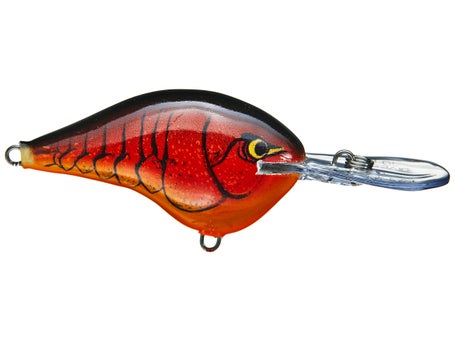
When a wing is included, it tends to be swept back at a relatively shallow angle to the body Wet flies almost always have a collar hackle (again, typically though not always - swept back) If a collar hackle is absent, a throat hackle and a wing will usually be present The body of a wet fly is typically slim and normally lacks a pronounced thorax bulge Palmered wet flies have cock hackles wrapped along the length of their bodies with a ribbing material catching down each turn of hackle stem in the opposite spiral (ideally without trapping any of the feather barbs) Spider style wet flies have soft (often game-bird) collar hackles at the head and usually simple thread or lightly dubbed bodies and no tails and imitate a range of river flies in vulnerable stages of hatching (such as struggling to emerge or otherwise failed/crash landed and drowned) Winged wet flies generally have tails and may act as imitations of actively swimming nymphs, small fish or just as general attractor patterns without specific imitation in mind If you have any sort of interest in wet fly patterns, wet fly fishing and how they fit into both traditional and completely modern fly fishing, you'll love this series of exclusive articles: Wet Flies vs Nymphs: Fishing Methods and Styles Traditional Stillwater Wet Fly Both wet flies and nymphs are fished equally commonly in stillwater (lakes, lochs/loughs and reservoirs) as they are in rivers or streams

Box Butte offers campers Electric Plus, Electric, and Basic camping